RISE Committee
The RISE Committee works with faculty to create and promote workplace climates in which everyone in the unit is welcomed, respected, and treated with professionalism and dignity. We follow a data-driven strategy to develop this advice, drawing from institutional data and scholarly research. Our ultimate goal is to retain a diverse and excellent faculty.
What is RISE?
Key Resources
Climate Case Studies
Testimonials
RISE Workshops
Committee Members
WHAT IS RISE?
The RISE Committee is a group of faculty and staff working to support climates of respect and inclusion within academic units. It began in Fall 2018 as part of a pilot initiative funded by the Provost’s Office to improve the workplace climate of academic units. The RISE Committee offers in-depth and cross-disciplinary discussions of relevant higher education climate research, practices, and interventions. The committee provides resources and leads workshops for faculty and campus leaders to provide guidance on improving climate within their units.
Climate Case Studies
The U-M ADVANCE Program’s RISE Committee offers a series of resources, the Climate Case Studies, to support university leaders as they work to create more respectful, inclusive climates in their units. Each case study is centered around a common climate issue, with a list of ideas for how to approach the issue and concrete examples of what each approach might look like–all organized around RISE’s Eight Levers to Foster Respect and Inclusion. New case studies are release via our RISE Together Newsletter. Email [email protected] to receive the newsletter.
**Note: We recognize that the approaches shared in the Climate Case Studies will not work for everyone or in every context. Many factors, including the power dynamics of the unit, the social identities of the individuals involved, and external circumstances, affect the way a challenging climate issue might be addressed. We acknowledge that several of the approaches assume a particular leadership role and a certain amount of agency/power within the unit that do not reflect everyone’s experience.**
*NEW* CCS #12 - Addressing Faculty-Staff Misalignment
Scenario: How to foster respect and inclusion in your unit when…
During a multi-day recruiting visit for a faculty candidate, you witness a faculty colleague turn to the staff member who developed the complex schedule which leadership had approved, and says, “Why is the schedule organized this way? It doesn’t make sense. Other people don’t make it so complicated.”
Suggested citation: The Respect in Striving for Excellence (RISE) Committee. (2026, April). Climate Case Study #12: Addressing Faculty-Staff Misalignment. University of Michigan ADVANCE Program.
CCS #11 - Addressing Faculty Power Imbalances
Scenario: How to foster respect and inclusion in your unit when…
You are chairing a search committee. A senior faculty member is forceful about their opinions in a way that is intimidating to the earlier-career committee members and shuts down discourse. Committee members seem uncomfortable. What can you do?
Suggested citation: The Respect in Striving for Excellence (RISE) Committee. (2025, June). Climate Case Study #11: Addressing Faculty Power Imbalances. University of Michigan ADVANCE Program.
CCS #10 - When women's ideas are co-opted
Scenario: How to foster respect and inclusion in your unit when…
A faculty member offers an idea at a meeting, which is ignored by her colleagues. Later, another faculty member offers a variant of the same idea, and he is praised for his “innovative” idea.
Suggested citation: The Respect in Striving for Excellence (RISE) Committee. (2024, August). Climate Case Study #10: When women’s ideas are co-opted. University of Michigan ADVANCE Program.
CCS #9 - Resistance to They/Them Pronouns
Scenario: How to foster respect and inclusion in your unit when…
A faculty member expresses acceptance of varied gender identities but then, in apparent reference to pronoun usage, says, “I just don’t know why we have to butcher the English language.”
Suggested citation: The Respect in Striving for Excellence (RISE) Committee. (2024, May). Climate Case Study #9: Resistance to They/Them Pronouns. University of Michigan ADVANCE Program
CCS #8 - A Climate Supportive of Disability
Scenario: How to foster respect and inclusion in your unit when…
Recent survey results show that 20-30% of faculty and staff in your unit identify as having a disability. As a department chair, how do you create a climate where those with disabilities feel respected and supported?
Suggested citation: The Respect in Striving for Excellence (RISE) Committee. (2023, May). Climate Case Study #8: A climate supportive of disability. University of Michigan ADVANCE Program.
CCS #7 - Distribution of Labor
Scenario: How to foster respect and inclusion in your unit when…
A BIPOC (Black, Indigenous, and People of Color) faculty member tells you, the chair, that large courses and time-intensive, undervalued service are disproportionately assigned to junior BIPOC (jBIPOC) faculty, and that the resulting inequities are exacerbated by so-called “invisible” service.
Suggested citation: The Respect in Striving for Excellence (RISE) Committee. (2023, January). Climate Case Study #7: Distribution of labor. University of Michigan ADVANCE Program.
CCS #6 - Diversity and Excellence
Scenario: How to foster respect and inclusion in your unit when…
…in a faculty meeting discussion about increasing the diversity of the faculty, just prior to the launch of a search, a faculty member says, “But we have to ensure we are also maintaining excellence in our faculty.” After this comment, the enthusiasm in the room noticeably diminishes and the discussion ends.
Suggested citation: The Respect in Striving for Excellence (RISE) Committee. (2022, October). Climate Case Study #6: Diversity and Excellence. University of Michigan ADVANCE Program.
CCS #5 - Racially-motivated Threat
Scenario: How to foster respect and inclusion in your unit when…
…there has been a racially-motivated threat or incident on campus directed at the BIPOC (Black, Indigenous, and other People of Color) community? It is not about your unit specifically, and the relevant authorities and administrators are aware and communicating that they are taking it seriously. Some units have issued statements and updates.
Suggested citation: The Respect in Striving for Excellence (RISE) Committee. (2022, June). Climate Case Study #5: Racially-motivated Threat. University of Michigan ADVANCE Program.
CCS #4 - Interrupting a Bad Actor
Scenario: How to foster respect and inclusion in your unit when…
…a faculty colleague says something that is off topic, disparaging, a microaggression, or ‘playing devil’s advocate’?
Suggested citation: The Respect in Striving for Excellence (RISE) Committee. (2021, November). Climate Case Study #4: Interrupting a Bad Actor. University of Michigan ADVANCE Program.
CCS #3 - Proactive New Leader
Scenario: How to foster respect and inclusion in your unit when…
…you are a new chair in a department where there is room for improvement in the culture for respect and inclusion?
Suggested citation: The Respect in Striving for Excellence (RISE) Committee. (2021, October). Climate Case Study #3: Proactive New Leader. University of Michigan ADVANCE Program.
CCS #2 - Unit-wide Email Blow-up
Scenario: How to foster respect and inclusion in your unit when…
…an email modifying department policy was sent Friday evening, and now there is a torrent of angry emails coming in, with new audiences being copied into the email thread?
Suggested citation: The Respect in Striving for Excellence (RISE) Committee. (2021, September). Climate Case Study #2: Unit-wide Email Blow-up. University of Michigan ADVANCE Program.
CCS #1 - Resistance to Mentoring Responsibilities
Scenario: How to foster respect and inclusion in your unit when…
…there is resistance to an equitable distribution of faculty mentoring responsibilities?
Suggested citation: The Respect in Striving for Excellence (RISE) Committee. (2021, September). Climate Case Study #1: Resistance to Mentoring Responsibilities. University of Michigan ADVANCE Program.
Workshops
Current Workshops
Raising Respect: Taking Action to Improve Faculty Climate: Interested in taking action to improve faculty climate? The ADVANCE Program RISE Committee is offering a cross-disciplinary, interactive workshop for campus leaders and faculty interested in cultivating a unit climate where all people feel respected, supported, and valued. This workshop is evidence-based and action-oriented! Utilizing the Eight Levers approach RISE developed, participants will leave this workshop with both data and ideas for faculty climate improvement.
To Register for any upcoming workshops, visit the ADVANCE events webpage.
Past Workshops
Cultivating a Climate for Faculty Equity: A highly interactive workshop for campus leaders interested in developing a unit climate where all people feel respected, supported, and valued. This workshop focuses specifically on the climate barriers that BIPOC faculty face and offers strategies for dismantling those barriers.
Raising Respect: A Workshop for Campus Leaders: A cross-disciplinary, highly interactive workshop for campus leaders interested in developing a unit climate where all people feel respected, supported, and valued. This workshop is evidence-based and action-oriented, presenting both data and concrete strategies. The first segment presents a framework for climate and then reviews research, conducted at U-M and beyond, to make a case for caring about respectful workplace climates. The remainder of the workshop is an interactive discussion addressing how leaders can actively cultivate more respectful and inclusive climates in their units.
Key Resources
Eight Levers to Shift Climate for Respect and Inclusion
What can you do to improve the climate in your unit? This handout from RISE’s “Raising Respect” workshop outlines eight focus areas for acting to improve climate.
Updated: 2022
RISE workshop academic readings
A list of works on climate issues, written by experts from the fields of Psychology, Business, Women’s Studies, Education, and more.
Featured Readings
- ADVANCE Program (2023). Campus-wide all faculty climate report. Ann Arbor Campus. EXECUTIVE SUMMARY; FULL REPORT
- Johnston, K. V. et al. (2019). Guide to Best Practices for Departmental Climate. Columbia University Office of the Provost.
- Porath, C., & Pearson, C. (2013). The price of incivility. Harvard Business Review, 91(1-2), 115-121. UMICH LIBRARY LINK
Advancing Faculty Excellence Podcast
Season One of the new Advancing Faculty Excellence Podcast highlights the work of the RISE committee, featuring in-depth conversations about its climate case studies. Check out the trailer here. Full episodes can be listened to on our website or wherever you listen to podcasts.
ADVANCE Climate Research Studies
The U-M ADVANCE Program aims to improve our campus environment for faculty in four general areas: recruitment, retention, leadership, and climate. The ADVANCE Program assesses the campus climate through a series of campus-wide faculty surveys as well as individualized assessments of schools and departments.
Additional Resources
Developing Anti-Harassment Programs in Academic Societies and Meetings: A Resource Guide
The University of Michigan ADVANCE Program has compiled this information as a resource for those wishing to develop an anti-harassment program within their own scholarly or scientific society, meeting, or other professional setting.
Published: 2018
Frequently Asked Questions: Retention of Science and Engineering Faculty Who are Women and/or Members of Racial/Ethnic Minorities
FAQ designed to give guidance re: climate and its effect on the retention of faculty that are women and/or members of racial/ethnic minorities.
Published: 2015
Key Campus Workplace Climate Resources
Resources for faculty about other U-M departments that can help with your workplace climate needs.
Testimonials
Committee Members
RISE Committee 2025-2026 members are senior faculty and staff drawn from across campus. For a list of former RISE members, visit our committees webpage.
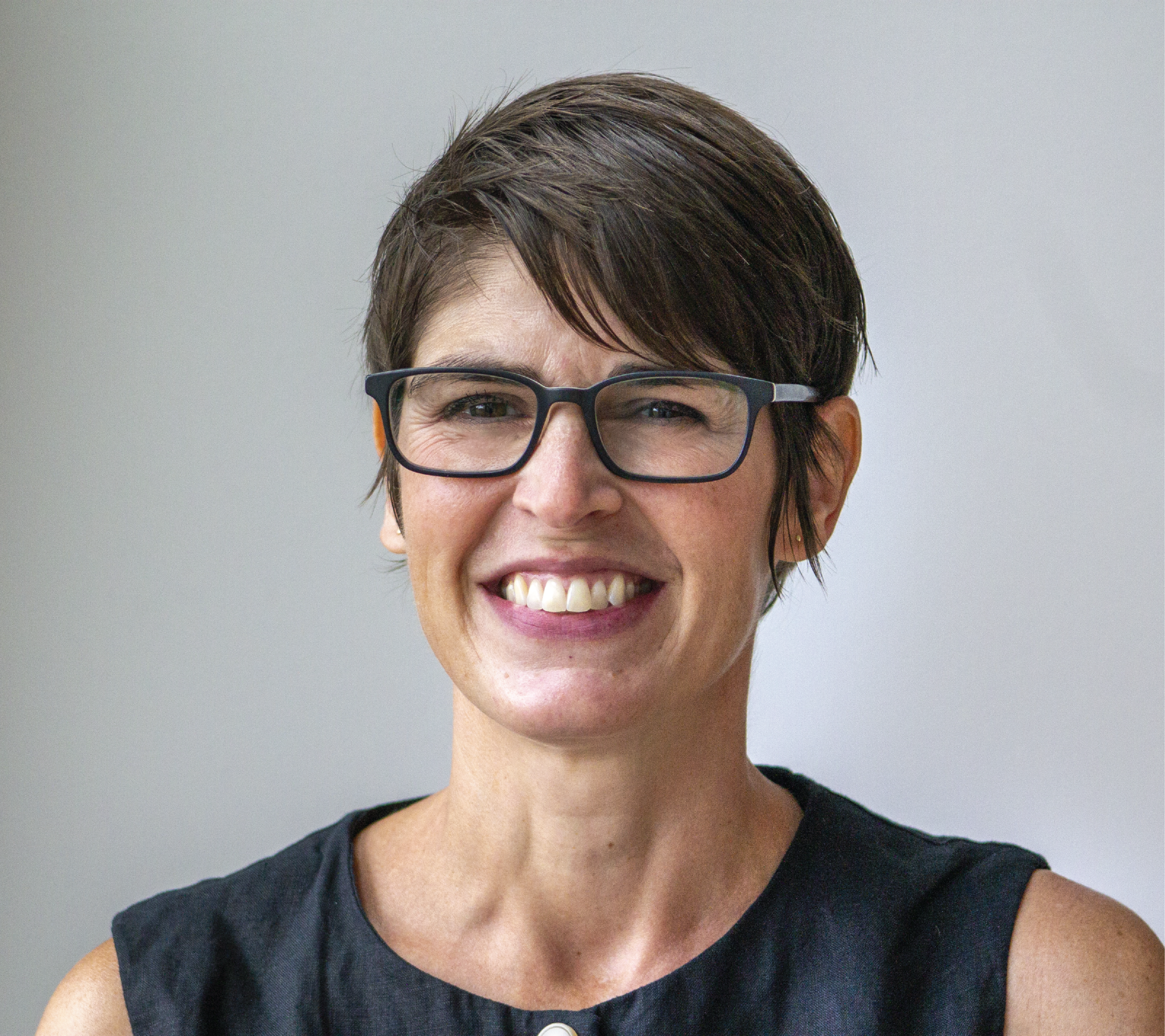
Christine Simonian
CRLT Theatre Program
Show/hide bio

Julie Boland
Psychology and Linguistics
Show/hide bio

Edwin Bergin
Astronomy
Show/hide bio

Lawrence La Fountain-Stokes
American Culture, Romance Languages & Literatures and Women's & Gender Studies
Show/hide bio

Mike Liemohn
Climate and Space Sciences and Engineering
Show/hide bio

Allen Liu
Mechanical Engineering
Show/hide bio

John Montgomery
Chemistry
Show/hide bio
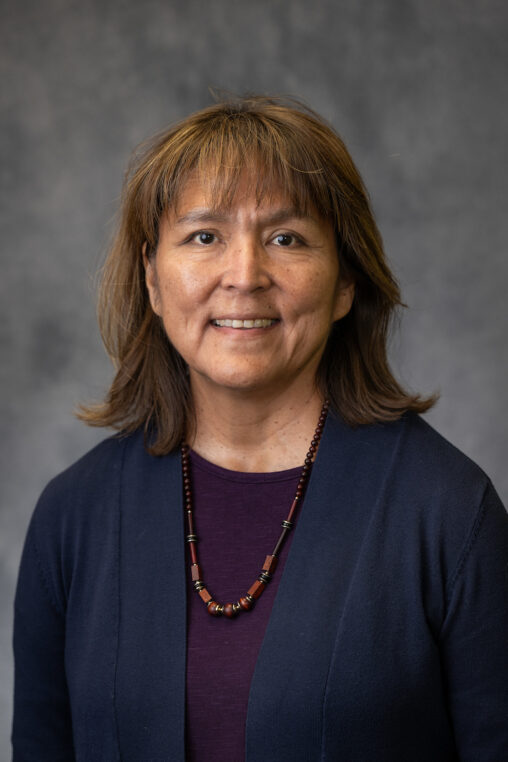
Denise Sekaquaptewa
ADVANCE Director, Psychology, LSA
Show/hide bio

Sophie Walters
Prevention Education, Assistance, Resources (PEAR)
Show/hide bio

Chris Torres
Education
Show/hide bio